About Course
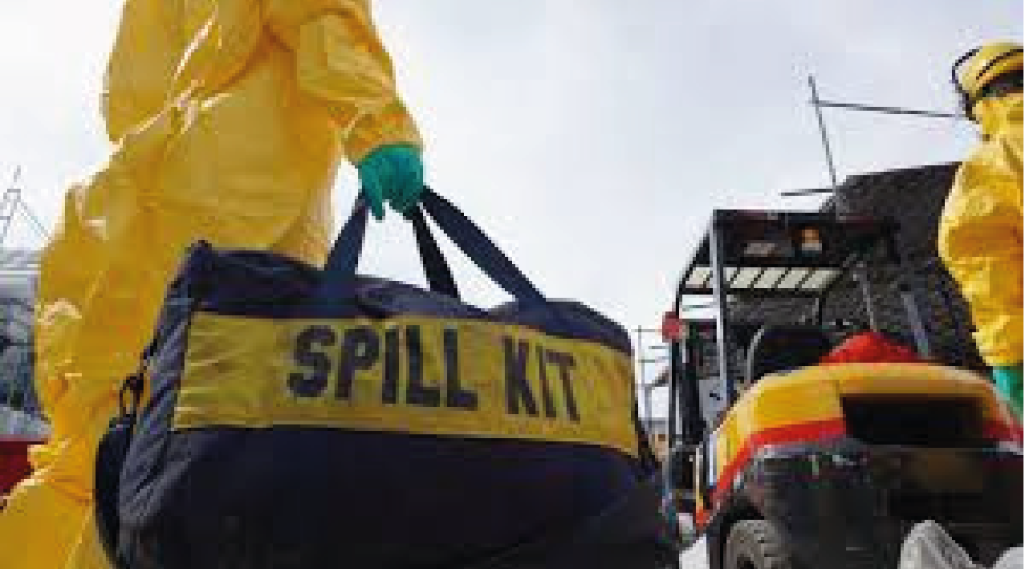
Training Course on Chemical Spills: Safety Precautions and Response Actions
Program brief:
In industrial, laboratory, and even some office settings, handling chemicals is a routine part of operations. While many chemicals are used safely every day, accidental spills can pose significant health, environmental, and safety risks if not managed correctly. Chemical spills may result in exposure to hazardous substances, fire risks, environmental contamination, and property damage. Thus, it’s essential for all employees who work with or around chemicals to understand how to prevent spills, recognize hazards, and respond effectively to emergencies.
This course is designed to provide participants with the knowledge and skills needed to prevent, control, and respond to chemical spills safely. Through a combination of theoretical knowledge, practical examples, and simulated emergency scenarios, this training empowers employees to take appropriate actions, utilize safety equipment, and implement containment measures, ensuring the safety of themselves and those around them.
Course Objectives
Upon completion of this course, participants will be able to:
- Understand Chemical Hazard Basics: Identify and classify different types of chemicals and understand the associated risks.
- Implement Spill Prevention Techniques: Recognize best practices for handling, storing, and disposing of chemicals to minimize spill risks.
- Apply Emergency Spill Response Protocols: Respond appropriately to chemical spills using established protocols and personal protective equipment (PPE).
- Use Safety Equipment and Containment Measures: Operate equipment such as spill kits and absorbent materials effectively during spill incidents.
- Recognize Reporting and Documentation Procedures: Follow correct reporting channels and complete required documentation post-incident.
Recommended For:
This course is intended for:
- Laboratory and Industrial Workers: Employees who work with or around chemicals in labs, factories, or manufacturing plants, and may encounter chemical hazards in their daily tasks.
- Health and Safety Officers: Individuals responsible for implementing and monitoring workplace safety policies and training related to hazardous materials.
- Environmental and Hazardous Waste Managers: Professionals tasked with managing chemical waste and responding to spill incidents.
- Supervisors and Managers: Leaders in chemical handling environments responsible for ensuring their teams adhere to safety protocols.
- Emergency Response Teams: Staff involved in emergency response who need a comprehensive understanding of chemical spill response and management.
Duration
5 Days
Course Content
Course Outline
Module 1: Introduction to Chemical Spill Hazards and Risks
Learning Objectives:
- Identify various types of chemicals commonly handled in the workplace.
- Understand chemical hazards such as toxicity, flammability, reactivity, and environmental impact.
Topics Covered:
- Overview of chemical hazard classes (e.g., corrosive, toxic, flammable, reactive).
- Understanding Material Safety Data Sheets (MSDS) and hazard labels.
- Health and environmental consequences of chemical exposure.
Activities:
- Case Study: Review real-life examples of chemical spills and their impacts.
- Group Discussion: Share experiences with chemical handling and identify potential hazards in participants’ workplaces.
Module 2: Preventive Measures and Safety Precautions
Learning Objectives:
- Implement safe handling and storage practices to reduce spill risks.
- Select appropriate PPE based on chemical type and exposure risk.
Topics Covered:
- Chemical handling procedures and storage guidelines.
- Importance of ventilation, storage separation, and spill containment.
- Types and use of Personal Protective Equipment (PPE): gloves, goggles, aprons, etc.
Activities:
- Workshop: Demonstration of proper chemical storage techniques.
- PPE Selection Exercise: Hands-on session in selecting and using PPE for various chemicals.
Module 3: Emergency Response Procedures for Chemical Spills
Learning Objectives:
- Describe the steps to take in response to a chemical spill.
- Follow emergency response procedures, including evacuation and containment.
Topics Covered:
- Initial response steps: evacuation, isolating the area, and alerting authorities.
- Evacuation routes and assembly points for various spill scenarios.
- Role of emergency response teams and the importance of coordinated action.
Activities:
- Simulation: Practice an emergency response in a mock chemical spill scenario.
- Drill Review: Analyze the effectiveness of a past drill or real spill response.
Module 4: Containment and Cleanup Procedures
Learning Objectives:
- Utilize spill kits and other containment tools to control and clean up chemical spills.
- Understand procedures for proper disposal of spilled chemicals.
Topics Covered:
- Components of a spill kit and their uses (e.g., absorbents, neutralizers, gloves).
- Step-by-step cleanup and decontamination methods.
- Disposal of contaminated materials following legal and environmental regulations.
Activities:
- Hands-On Exercise: Use a spill kit to contain and clean up a simulated spill.
- Disposal Protocol Workshop: Practice safe disposal methods for various chemical classes.
Module 5: Reporting, Documentation, and Post-Incident Analysis
Learning Objectives:
- Complete required incident reporting and documentation after a chemical spill.
- Conduct post-incident analysis to identify root causes and prevent future spills.
Topics Covered:
- Reporting procedures: internal reporting channels and regulatory requirements.
- Documentation templates: incident reports, injury logs, and corrective actions.
- Root Cause Analysis (RCA) and preventative measures.
Activities:
- Documentation Exercise: Practice completing an incident report for a simulated spill.
- Root Cause Analysis Case Study: Review a chemical spill case study and discuss root causes and prevention strategies.
Module 6: Developing an Emergency Chemical Spill Response Plan
Learning Objectives:
- Design a customized spill response plan specific to the participant's workplace.
- Train team members on the response plan and conduct regular drills.
Topics Covered:
- Components of a spill response plan: roles, responsibilities, and communication protocols.
- Developing a training and drill schedule to keep employees prepared.
- Continuous improvement and regular plan reviews.
Activities:
- Spill Response Plan Creation: Participants develop a response plan tailored to their workplace.
- Group Drill Planning: Create a drill outline to test the plan’s effectiveness and gather feedback.
General remarks
General remarks
- Customizable courses are available to address the specific needs of your organization.
- The participant must be conversant in English
- Participants who successfully complete this course will receive a certificate of completion from Lenol Development Center.
- The course fee for onsite training includes facilitation training materials, tea break and lunch.
- Accommodation and airport pick up are made upon request
- For any inquiries reach us through info@lenoldevelopmentcenter.com or +254 710 314 746
- Payment should be made to our bank account before the start of training