About Course
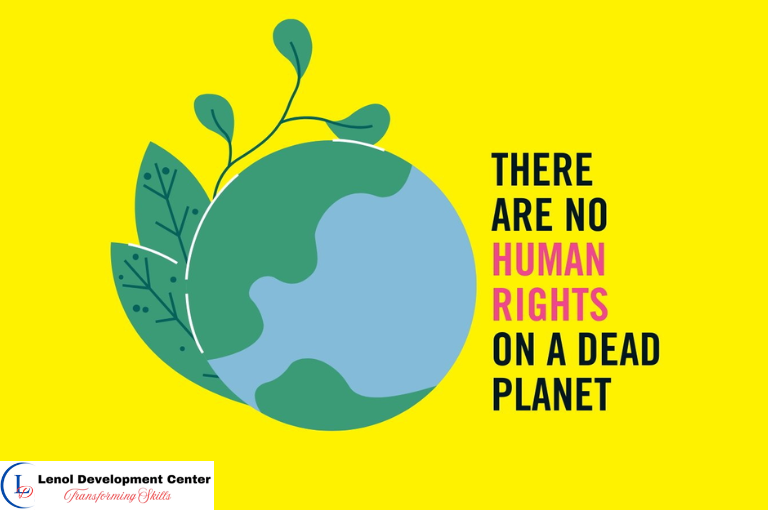
Climate Change & Human Rights Training Course
Introduction
The Climate Change & Human Rights Training Course is a timely and high-impact program designed to equip professionals with the knowledge and tools to understand, advocate, and act at the intersection of climate justice and human rights. As climate change intensifies environmental degradation, displacement, food insecurity, and health risks, vulnerable populations-especially women, Indigenous communities, children, and low-income groups-face disproportionate impacts. This course addresses the urgent need for human-rights-based approaches in climate policy, planning, and implementation.
Participants will explore global human rights frameworks, environmental justice principles, and climate governance structures that protect human dignity in the face of climate threats. The course offers practical guidance on integrating rights-based approaches into climate action, assessing legal obligations, and designing inclusive climate policies and adaptation measures that leave no one behind. Ideal for professionals in government, NGOs, civil society, academia, and development agencies, this course empowers participants to shape equitable and sustainable climate solutions.
Target Audience
- Human rights and climate justice advocates
- Government officers in climate and justice sectors
- Environmental and social policy advisors
- NGO and civil society program managers
- Legal professionals and compliance officers
- Academics and researchers in law, climate, or development
- Development partners and international agency staff
Duration
5 Days
Course Objectives
- Understand the linkages between climate change and human rights
- Identify vulnerable groups and climate-related human rights risks
- Examine global and regional human rights frameworks relevant to climate action
- Apply rights-based approaches to climate adaptation and mitigation
- Integrate human rights safeguards into environmental and climate policies
- Analyze the legal obligations of states and non-state actors under international law
- Promote public participation, transparency, and access to environmental justice
- Develop inclusive and equitable climate action plans grounded in human rights
Course Content
Course Content
Module 1: Introduction to Climate Change and Human Rights
- The human face of climate change impacts
- Overview of climate-induced human rights violations
- Key international instruments: UDHR, ICCPR, ICESCR
- Climate vulnerability and structural inequalities
- Intersectionality and environmental injustice
Module 2: International Human Rights Frameworks and Climate Law
- UNFCCC, Paris Agreement, and climate justice language
- Human Rights Council resolutions on climate and environment
- Legal responsibilities of states under human rights treaties
- Role of courts and legal precedents on climate justice
- Regional frameworks: African Charter, Aarhus Convention
Module 3: Rights-Based Approaches to Climate Adaptation
- Principles of participation, accountability, and non-discrimination
- Incorporating human rights into National Adaptation Plans
- Safeguarding Indigenous knowledge and cultural rights
- Gender equality in adaptation planning
- Community-led resilience and justice strategies
Module 4: Human Rights in Mitigation and Just Transition
- Equity in carbon reduction and emissions targets
- Human rights implications of land use and energy transitions
- Displacement and relocation due to climate projects
- Social protections in climate mitigation programs
- Protecting labor rights in green transitions
Module 5: Climate Displacement and the Rights of Migrants
- Legal status of climate-displaced persons
- Protecting the rights of environmental migrants and refugees
- National relocation policies and human dignity
- Case studies of climate migration in Africa and beyond
- Role of international cooperation in climate mobility
Module 6: Environmental Defenders and Climate Activism
- Risks faced by environmental and land defenders
- Legal protection frameworks and UN mechanisms
- Civic space and freedom of expression in climate advocacy
- Digital security and surveillance threats
- Supporting youth-led and grassroots climate movements
Module 7: Monitoring, Accountability, and Access to Justice
- Environmental rights monitoring systems
- Strengthening public access to climate information
- Strategic climate litigation and legal empowerment
- Environmental grievance mechanisms
- Reporting obligations and compliance frameworks
Module 8: Designing Human Rights-Based Climate Action Plans
- Conducting rights-impact assessments
- Setting rights-based objectives and indicators
- Engaging vulnerable groups in decision-making
- Institutional capacity for inclusive implementation
- Building sustainable and equitable climate governance systems
General remarks
General remarks
- Customizable courses are available to address the specific needs of your organization.
- The participant must be conversant in English
- Participants who successfully complete this course will receive a certificate of completion from Lenol Development Center.
- The course fee for onsite training includes facilitation training materials, tea break and lunch.
- Accommodation and airport pick up are made upon request
- For any inquiries reach us through info@lenoldevelopmentcenter.com or +254 710 314 746
- Payment should be made to our bank